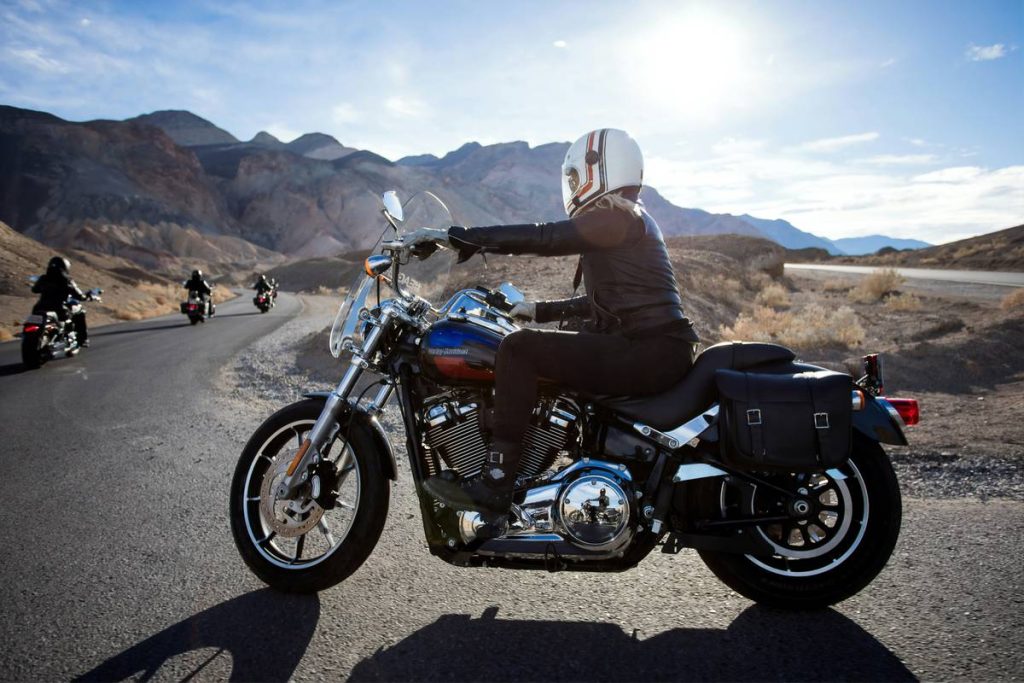
Ever rented a motorcycle abroad, zipped through mountain passes feeling like a local hero—only to crash and realize your fancy helmet was uninsured? I have. And it cost me $420 out of pocket for a scratched Arai that the rental shop demanded I replace. That painful lesson taught me: standard travel insurance rarely covers specialized gear like helmets, jackets, or riding boots. If you’re hitting the road on two wheels, Helmet and Gear Insurance isn’t optional—it’s essential armor for your budget.
In this guide, we’ll cut through the jargon and show you exactly how to protect your motorcycle rental investment without overpaying. From hidden policy gaps to must-have add-ons, you’ll walk away with a battle-tested plan tailored for real riders—not just tourists with a license.
Table of Contents
- Why Helmet and Gear Insurance Matters for Motorcycle Travelers
- Step-by-Step: How to Get Proper Coverage
- 5 Best Practices Most Riders Overlook
- Real Cases: When Insurance Saved (or Failed) Riders
- Frequently Asked Questions
Key Takeaways
- Standard travel policies often exclude high-value riding gear—always verify coverage scope.
- Add Helmet and Gear Insurance as a rider or standalone policy before picking up your bike.
- Document every scratch with timestamped photos at rental pickup and return.
- Avoid “theft-only” policies; comprehensive coverage includes damage, loss, and accidental breakage.
- Link claims to official incident reports—verbal agreements won’t hold up.
Why Helmet and Gear Insurance Matters for Motorcycle Travelers
Motorcycle rentals are booming—from Bali’s coastal roads to Spain’s Sierra Nevada trails—but most travelers assume their credit card or basic travel plan covers gear. It rarely does. According to the U.S. Travel Insurance Association, over 68% of adventure-related claims involve excluded equipment, including helmets, GPS units, and armored jackets.
I learned this the hard way in Chiang Mai. The shop claimed my helmet had “deep gouges” from improper storage (I’d hung it on the handlebars—rookie move). Without specific Helmet and Gear Insurance, I paid full replacement cost. Don’t be like me.
Step-by-Step: How to Get Proper Coverage
1. Audit Your Existing Policy
Call your provider. Ask: “Does this cover rented motorcycle accessories valued over $200?” Note the answer verbatim. Many “comprehensive” plans cap gear reimbursement at $100.
2. Choose Add-On vs. Standalone
Rental companies often upsell insurance at checkout—but compare prices. Third-party insurers like World Nomads or IMG offer global Helmet and Gear Insurance bundles starting at $8/day, often cheaper than on-site markups.
3. Document Everything
At pickup, film a 30-second walkthrough showing helmet condition, lock mechanisms, and any existing wear. Save it to cloud storage with GPS timestamp enabled.
5 Best Practices Most Riders Overlook
- Never rely on “full coverage” promises—demand the policy wording in writing.
- Bundle with liability coverage: Some providers waive gear deductibles if you also buy third-party injury protection.
- Check country exclusions: Vietnam voids gear claims if you ride without a local license endorsement.
- Avoid this terrible tip: “Just use your homeowner’s policy.” Most explicitly exclude international vehicle accessories.
- Store proof digitally: Email yourself the insurance certificate and rental agreement pre-trip.
My pet peeve? Rental shops that hide gear deductibles in 10pt font on page 7 of their terms. Always inspect the fine print—or better yet, get coverage from a neutral third party. At our team, we’ve seen too many clients blindsided by these traps.
Real Cases: When Insurance Saved (or Failed) Riders
Case 1 (Success): Maria rented a BMW R1250GS in Morocco. Her jacket tore during a gravel slide. Because she’d purchased a $12/day addon covering “all personal protective equipment,” her claim for the $580 Alpinestars jacket was approved within 48 hours—backed by timestamped photos and a police report.
Case 2 (Failure): James skipped extra insurance in Greece, assuming his Chase Sapphire Reserve covered “all rentals.” It didn’t—Chase excludes motorized recreational equipment over 50cc. He paid €300 for a cracked Shoei helmet. Moral? Verify, don’t assume.
Data from the Insurance Information Institute confirms that gear-specific claims are 3x more likely to be denied when bundled under generic travel plans versus specialized policies.
Frequently Asked Questions
Does standard travel insurance cover motorcycle helmet theft?
Rarely. Most base policies exclude “motor vehicle accessories.” You need explicit Helmet and Gear Insurance or an add-on rider.
Can I insure only my helmet, not the whole bike?
Yes. Providers like Battleface offer modular coverage—you can insure just helmets, gloves, or boots independently.
What’s the typical deductible for gear claims?
$50–$150. Some companies waive it if you file within 24 hours with photographic evidence.
Are vintage helmets covered?
Only if declared upfront. Insurers require proof of value (receipts/appraisals) for items over $300.
Does coverage apply if I modify my rented gear?
No. Adding GoPros, non-OEM visors, or custom padding usually voids the policy.
How long do claims take to process?
3–10 business days with complete documentation. Delays happen if you omit rental agreements or incident reports.
Protecting your ride starts before you swing your leg over the seat. Don’t let a scratched helmet derail your adventure budget—get precise coverage that respects your expertise as a rider. Ready to customize your plan? Contact us for a no-pressure consultation. And remember: A wise rider insures their crown before chasing horizons.