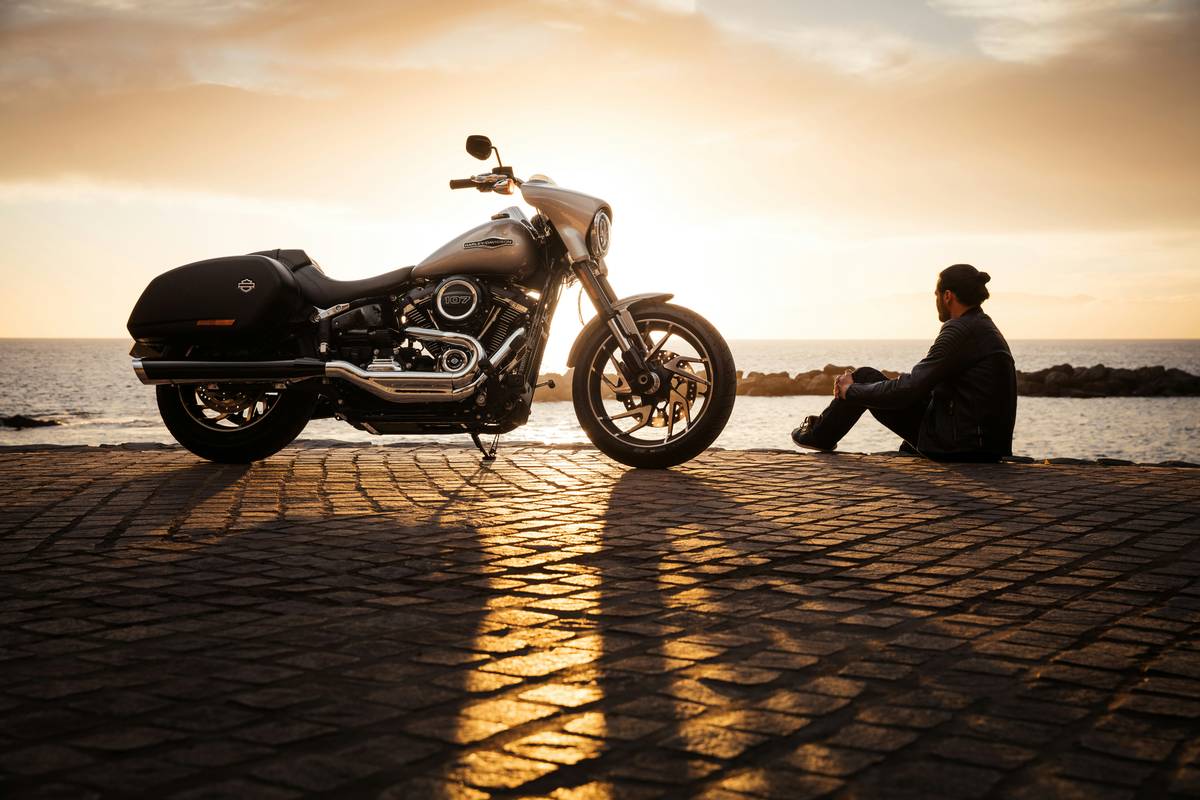
You’re cruising down a coastal highway on a rented motorcycle in Bali, wind in your hair—until a sudden swerve sends you tumbling onto the asphalt. You’re scraped up, dazed, and now facing hospital bills in a foreign currency. Without proper Medical Expense Coverage, that dream ride could turn into a financial nightmare. As someone who once skipped supplemental insurance to “save $20” and ended up paying $3,200 out of pocket for stitches and an overnight stay in Thailand, I’ve learned the hard way why this coverage isn’t optional—it’s essential.
Table of Contents
- Why Medical Expense Coverage Matters for Motorcycle Rentals
- Step-by-Step Guide to Securing Reliable Coverage
- Best Practices for Maximizing Your Protection
- Real-World Case Studies: What Happened When Riders Were (or Weren’t) Covered
- Frequently Asked Questions
Key Takeaways
- Standard travel insurance often excludes high-risk activities like motorcycle rentals unless explicitly added.
- Medical Expense Coverage must cover emergency transport, hospital stays, and repatriation.
- Always verify if your policy requires you to have a valid motorcycle license from your home country.
- Purchasing insurance directly from the rental company is frequently overpriced and under-inclusive.
- Carry proof of coverage digitally and physically while traveling.
Why Medical Expense Coverage Matters for Motorcycle Rentals
Renting a motorcycle abroad is exhilarating—but statistically riskier than driving a car. According to the U.S. Department of State, motor vehicle accidents are the leading cause of injury-related deaths among U.S. citizens overseas. When you rent a bike, many standard travel policies treat it as a “high-risk activity” and exclude medical claims unless you’ve opted for adventure sports add-ons.
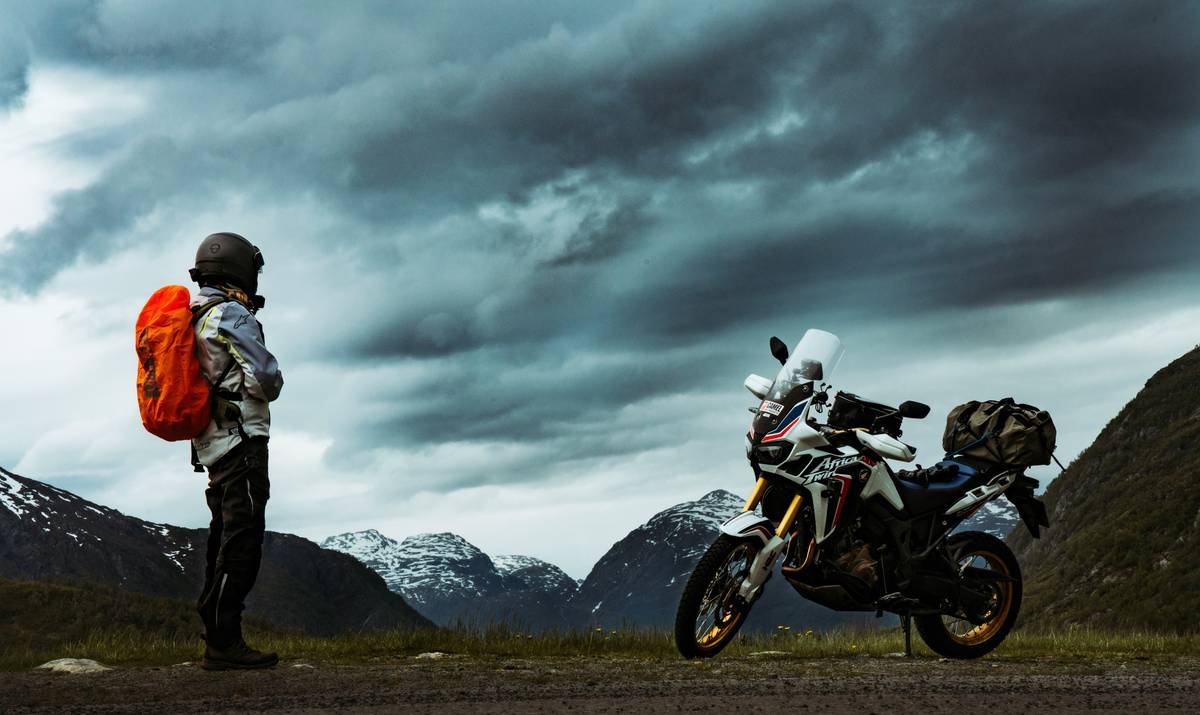
I learned this after a minor crash near Chiang Mai. My basic policy covered hotel cancellation but denied my ER visit because I hadn’t declared “motorcycle use.” That $20 “savings” cost me more than the entire week’s lodging. Don’t repeat my error.
Step-by-Step Guide to Securing Reliable Coverage
1. Audit Your Existing Policies
Check your credit card benefits, health insurance, and any bundled travel plan. Some premium cards (like Chase Sapphire Reserve) offer secondary medical coverage—but only if you booked the rental with the card. Still, they rarely cover liability or damage to the bike itself.
2. Choose a Specialized Travel Insurance Provider
Opt for insurers that explicitly list “motorcycle rental” under covered activities. World Nomads and IMG Global are reputable options. Always read the fine print: coverage may require the bike to be under 250cc or mandate a valid license.
3. Verify Emergency Assistance Services
Your policy should include 24/7 multilingual emergency support. This isn’t just convenience—it’s critical for coordinating care in remote areas. According to the CDC, timely medical response drastically reduces complications from trauma injuries.
4. Document Everything Pre-Ride
Take photos of the motorcycle’s condition before departure and get written confirmation of your insurance acceptance from the rental shop. Many disputes arise from alleged pre-existing damage.
Best Practices for Maximizing Your Protection
- Avoid the “terrible tip”: Never assume local clinics will accept direct billing. Most won’t—meaning you pay upfront and file for reimbursement later. Keep all receipts.
- Double-check coverage limits—at least $100,000 is recommended for international travel. The average medevac can cost $50,000+ (CDC Yellow Book, 2024).
- Ensure your policy includes Medical Expense Coverage for both emergency treatment and follow-up care during recovery.
- Never ride without a helmet—even if locals don’t. Many policies void coverage if safety laws are violated.
Real-World Case Studies: What Happened When Riders Were (or Weren’t) Covered
In 2023, a traveler in Portugal fractured his collarbone after hitting a pothole on a rented scooter. His insurer, SafetyWing, covered €8,200 in hospital fees and arranged a medical flight home—because his plan included explicit Medical Expense Coverage for two-wheeled rentals.
Conversely, another rider in Vietnam paid $4,500 out of pocket after her domestic health plan denied overseas claims, and her travel policy excluded vehicles over 125cc. She’d assumed “travel insurance” meant full protection—a costly myth.
These outcomes hinge on one detail: whether Medical Expense Coverage was tailored to motorcycle risks. Generic plans fail here every time.
Frequently Asked Questions
Does my regular travel insurance cover motorcycle accidents?
Usually not unless you’ve added an adventure sports rider. Always confirm “motorcycle rental” is listed as a covered activity.
Is Medical Expense Coverage required by law when renting abroad?
Not always—but many countries (like Italy and Greece) require third-party liability insurance. Medical coverage protects you, not others, so it’s separate and highly recommended.
Can I buy this coverage after I’ve already rented the bike?
No. Policies must be purchased before your trip begins. Retroactive coverage doesn’t exist.
What if I only have a car license, not a motorcycle endorsement?
Most insurers will deny claims. A valid motorcycle license from your home country is typically mandatory.
Does Medical Expense Coverage include dental or vision injuries?
Often yes—but check your policy. Some cap non-emergency dental at $500.
How do I file a claim while overseas?
Contact your provider immediately via their 24/7 line. Keep all medical records, invoices, and police reports. File within 30–90 days post-treatment.
Mistakes on the road sting—but medical debt lingers long after the bruises fade. Don’t gamble with your well-being. Ensure your next adventure includes comprehensive Medical Expense Coverage and peace of mind. Ready to ride smart? Contact us for personalized guidance. And remember: helmets save faces, but good insurance saves futures.
For more about our commitment to traveler safety, explore our About Us page. All personal data shared during consultations is handled per our Privacy Policy.